China Best High Capacity PFAS Resin Supplier: Top Questions Utilities Ask Before Sourcing
Sep 29, 2026
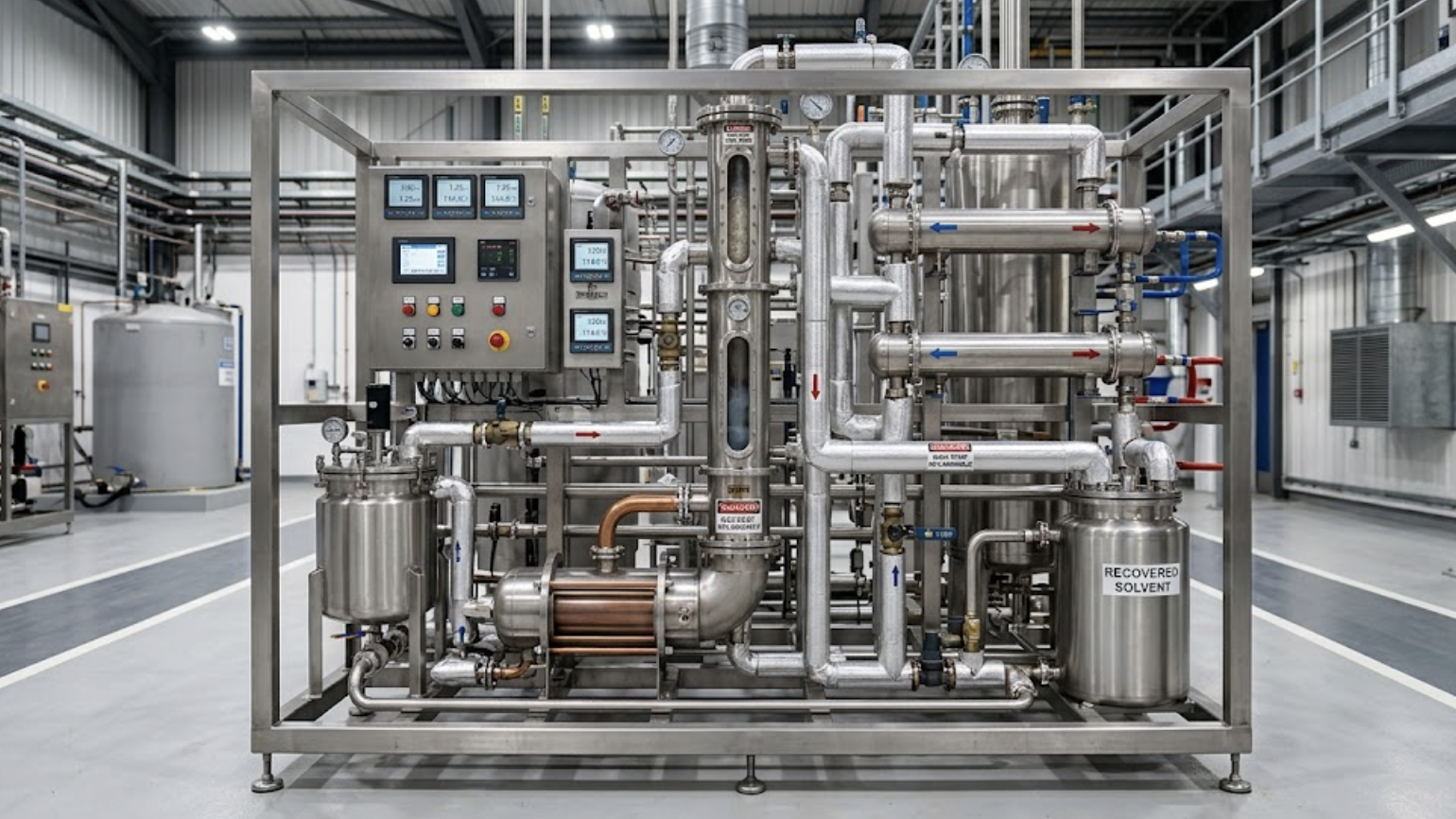
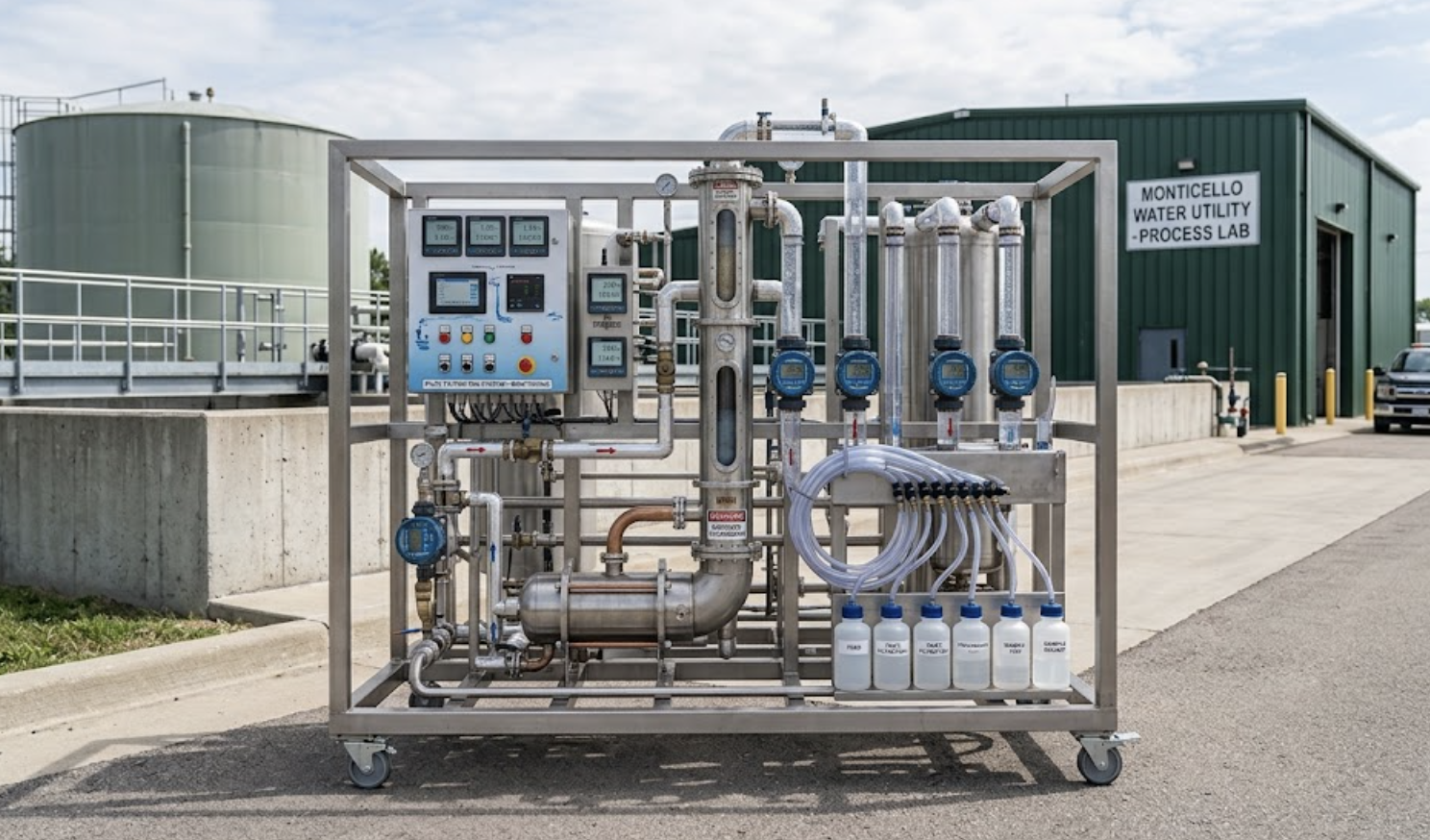
Xian, Shaanxi Sep 28, 2026 (Issuewire.com) - As stringent regulatory frameworks force municipal water utilities worldwide to address legacy contamination, per- and polyfluoroalkyl substances (PFAS) have become a central focus of infrastructure upgrades. Selecting the right media for long-term treatment requires meticulous technical evaluation. Municipalities evaluating a recognized China Best High Capacity PFAS Resin Supplier (https://www.seplite.com/pfas-removal/) to modernize their separation assets often face complex procurement questions regarding safety certifications, short-chain contaminant capture, media lifecycle management, and supply chain security. Water engineers must balance initial capital expenditure against long-term operational costs to ensure compliance with parts-per-trillion discharge standards. This technical briefing examines five crucial questions that utility directors and consulting engineers ask when evaluating high-capacity anion exchange resin technologies for municipal and industrial water treatment. Q1: How Do Global Drinking Water Certifications and Quality Standards Validate Resin Safety? Public drinking water providers cannot risk secondary contamination from synthetic media deployed in potable treatment vessels. Therefore, procurement teams prioritize independent validation to verify that ion exchange media meets rigorous public health requirements. Leading manufacturers demonstrate compliance through recognized international certificates (https://www.seplite.com/certificates/) such as WQA testing to NSF/ANSI/CAN 61 standards. This certification guarantees that unreacted monomers, residual solvents, or organic extraction compounds do not leach into finished drinking water. Furthermore, third-party audits ensure that the manufacturing process adheres to strict health and safety protocols throughout media synthesis. Beyond chemical safety, physical quality control dictates operational stability inside high-flow filtration vessels. Advanced production facilities operating under ISO 9001 and ISO 14001 management systems enforce strict quality control standards. Automated polymerization processes maintain exceptional bead size uniformity, ensuring that particle distributions remain above 95 percent within specified diameter ranges. High whole-bead count specifications, typically reaching 93 percent or higher, protect media from physical attrition, bead cracking, and fine generation caused by hydraulic shock during routine backwashing operations. By securing certified media engineered for high mechanical durability, utilities prevent excessive pressure drops and preserve uniform flow distribution throughout continuous operating cycles. Q2: Can High-Capacity SBA Resin Reliably Target Mobile Short-Chain PFAS Under Complex Water Matrices? A primary concern among utility operators involves the effective capture of short-chain PFAS variants such as perfluorobutanoic acid (PFBA) and perfluorobutanesulfonic acid (PFBS). Traditional granular activated carbon beds often struggle to retain short-chain compounds under continuous flow because long-chain molecules like PFOA and PFOS displace them over time. Specialized strong base anion (SBA) exchange resins resolve this limitation by combining quaternary ammonium functional groups with highly crosslinked macroporous polymer matrices. This engineered structure creates strong ionic attraction alongside hydrophobic interactions, enabling the media to bind short-chain and long-chain molecules simultaneously without suffering premature displacement. Furthermore, raw water matrices often contain elevated concentrations of competing background anions, including sulfates, nitrates, chlorides, and natural organic matter. Standard exchange media can lose operational capacity rapidly under high background ionic loads. In contrast, specialized high-capacity SBA resins feature tailored matrix pore distributions that maximize selectivity for fluorinated compounds over common inorganic salts. Field performance data confirms that high-capacity resin delivers at least 30 percent higher operating capacity than conventional anion media. This elevated selectivity enables water treatment facilities to achieve reliable non-detect output levels while processing thousands of bed volumes before reaching initial breakthrough. Q3: What Are the Real-World Logistics, Footprint, and Technical Requirements for Resin Regeneration? When designing treatment facilities, engineers must evaluate whether single-use or regenerable resin architecture best aligns with local operational conditions and disposal regulations. Single-use ion exchange systems offer ultra-compact footprints and straightforward operation, requiring low Empty Bed Contact Times (EBCT) between 1.5 and 3 minutes. However, utilities managing high mass loads of PFAS often explore regenerable resin options to reduce long-term media replacement costs. Regenerable systems utilize specialized organic or inorganic solvent blends to strip bound fluorinated compounds from the resin functional sites, restoring original exchange capacity for repeated service cycles. Implementing an efficient regeneration protocol requires sophisticated secondary waste management engineering to prevent environmental cross-contamination. Modern closed-loop regeneration modules integrate solvent distillation units that recover more than 95 percent of the stripping solvent for reuse within the treatment plant. The process concentrates extracted PFAS molecules into an extremely small liquid volume, simplifying downstream destruction via thermal oxidation or advanced electrochemical oxidation. By dramatically reducing secondary waste streams, regenerable media systems enable utilities to achieve predictable operating expenditures over multi-year lifecycles while maintaining strict environmental compliance. Q4: How Does Sunresin Guarantee Supply Chain Reliability and Turnkey Integration for Overseas Infrastructure? Securing a stable, high-volume supply chain represents a pivotal consideration for international engineering firms and municipal water authorities undertaking multi-year infrastructure upgrades. Global separation technology developers like Sunresin(Sunresin New Materials Co. Ltd.) (https://www.seplite.com/sunresin-profile/) address supply security by maintaining large-scale, automated manufacturing infrastructure with an annual resin production capacity exceeding 50,000 cubic meters. Supported by a dedicated research and development division comprising over 300 technical experts, Sunresin continuous innovation ensures that custom polymer formulations can be scaled rapidly from pilot testing to full commercial production without compromising quality consistency. In addition to high-capacity media manufacturing, modern utilities increasingly demand single-source technical accountability through comprehensive Engineering, Procurement, and Construction (EPC) services. Rather than supplying standalone media, Sunresin delivers integrated separation solutions that encompass pilot skid evaluation, custom pressure vessel design, automated valve-array systems, and full site commissioning. This end-to-end service model eliminates integration mismatches between media characteristics and system hydraulics. By pairing advanced material synthesis with turnkey engineering execution, Sunresin New Materials Co. Ltd. minimizes operational risks, accelerates project delivery timelines, and ensures seamless compliance for global water purification projects. Q5: What Performance Specifications Should Utilities Include in Their Technical RFP Documents? Drafting robust Request for Proposal (RFP) documentation requires precise technical specifications that safeguard utility investments and guarantee target effluent quality. Procurement teams should mandate minimum total exchange capacity thresholds, explicit whole-bead count percentages, and verified particle size uniformity coefficient limits. Technical specifications must also define hydraulic parameters, such as linear operating velocities between 20 and 40 bed volumes per hour, while requiring media compliance with NSF/ANSI 61 standards for potable water applications. Including minimum run-length guarantees prior to initial short-chain PFAS breakthrough ensures that competing suppliers deliver verifiable performance data. To validate performance claims prior to contract award, utilities should require prospective suppliers to conduct standardized column testing using actual site water. Leading separation providers assist procurement teams by providing mobile pilot skids and comprehensive analytical reporting under varying hydraulic loading conditions. This empirical validation step confirms resin selectivity, establishes accurate Empty Bed Contact Time parameters, and determines exact media replacement intervals. Utility managers and consulting engineers interested in reviewing certified technical datasheets, pilot testing protocols, or system design services can access comprehensive separation resources by visiting https://www.seplite.com/.
Source :Sunresin New Materials Co. Ltd.
This article was originally published by IssueWire. Read the original article here.

Riyadh attack: Pilgrims determined to perform umrah despite security concerns
Oct 12, 2026
Meanwhile, one travel agency is prepared with contingency plans if flights get cancelled....
/file/attachments/orphans/New-Big-Picture-template-121026-43_524060.jpg)
How a M'sian engineer's suicide haunts India's election chief amid voter roll protests
Oct 12, 2026
2006 suicide case resurfaces, with state govt exploring legal action against senior bureaucrat over abetment claims....
/file/attachments/orphans/New-Big-Picture-template-121026-46_338724.jpg)
No free pass: Rayer calls out govt for 'double standards' over Zahid's 47 charges
Oct 12, 2026
PARLIAMENT | No exception when it comes to corruption, even for political allies, DAP MP stresses....
/file/publisher-c1a3f893382d2b2f8a9aa22a654d9c97/2025/12/6ca3e879983083342f2ca8c394c4f38b.jpg)
Group demands femicide recognition, stronger protection after spate of killings
Oct 12, 2026
We lack specific legal or statistical category for femicide, WAO says....
/file/publisher-c1a3f893382d2b2f8a9aa22a654d9c97/2024/10/c3a963696809c70bfddb42d209838044.jpg)
'Wedding bells, same roll call': Syed Saddiq's Parliament attendance record holds
Oct 12, 2026
Muar MP attends Dewan Rakyat sitting 2 days after getting married....
/file/attachments/orphans/parlimenmalaysia1sde2s_158343.png)
Govt backbenchers propose six- and 12-month impact assessment on minimum wage hike
Oct 12, 2026
PARLIAMENT | Zaliha says it should consider employment rates, working hours, among others....
/file/attachments/orphans/TuankuMuhriz_885315.png)
Tuanku Muhriz denies receiving invite to Conference of Rulers meeting, says not attending
Oct 12, 2026
UPDATED 6.32PM | N Sembilan ruler will be focusing on the Jelebu undang proclamation ceremony instead....
/file/1190/6014c4a3f9da0f9bea3538d30daac102.jpeg)
1MDB seeks to settle lawsuit with Deutsche Bank
Oct 12, 2026
Counsel says hearing for the case scheduled on Oct 26....
/file/attachments/orphans/MediaMBNSasdad_288851.png)
Tuanku Muhriz's position reinforced with invitation to Conference of Rulers
Oct 12, 2026
However, His Highness will only attend pre-council meeting....
/file/attachments/orphans/PhungYieWenasdd_563199.jpg)
S'wak announces 25pct electricity discount next year, tables RM14.8b budget
Oct 12, 2026
The discount will cost the state government RM281 million....
/file/attachments/orphans/New-Big-Picture-template-121026-04_491747.jpg)
Rantau Panjang MP injured in crash, PM wishes speedy recovery
Oct 12, 2026
PAS lawmaker receiving treatment at Kuala Lipis Hospital, daughter unhurt....
/file/attachments/orphans/New-Big-Picture-template-121026-15_851000.jpg)
Hamzah warns Putrajaya against 'slaughtering golden goose' with GLC, GLIC demands
Oct 12, 2026
UPDATED 4PM | PARLIAMENT | Opposition leader questions govt's usage of funds from Petronas and KWAP, among others....
YOUR NEWS, OUR NETWORK.
Do you have Great News you want to tell the world?
Be it updates about your business or your community, you can make sure that it’s heard by submitting your story to our network reaching hundreds of news sites across 6 verticals.